Cash Balance Pension Plan: Overview, Pros and Cons
What Is a Cash Balance Pension Plan?
A cash balance pension plan is a type of defined-benefit plan that offers the option of a lifetime annuity. In this plan, the employer credits the participant’s account with a fixed percentage of their yearly compensation plus interest. The funding rules, requirements, and investment risks are based on defined-benefit plan guidelines. The employer assumes all gains and losses in the investment portfolio, and any changes do not affect the participant’s promised benefits at retirement or termination.
Understanding Cash Balance Pension Plans
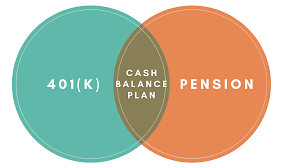
Single-employer cash balance plans do not exist. A cash balance plan (CBP) operates on an individual account basis, resembling a defined contribution plan. These plans share similarities with 401(k) plans, such as professionally managed investments and guaranteed retirement benefits for participants. However, instead of being defined as a fixed monthly income, the benefits are presented as a 401(k)-style account balance.
For example, an employee covered under a cash balance pension plan may receive a 5% salary credit and a 5% interest credit. If the employee earns $100,000 annually, they would be credited with $5,000 in pay, plus 5% interest on their account balance. As the employee’s tenure with the company increases, the account balance continues to grow in line with the employer’s promised contributions. At retirement, the employee can choose to receive the benefit as a lump sum or as monthly annuity payments.
Cash Balance Pension Plan vs. Traditional Pension Plan
The key distinction between a cash balance pension plan and a traditional pension is that a traditional plan typically calculates your monthly benefit based on your highest-earning years, while a cash balance plan factors in your entire tenure with the company.
Cash Balance Pension Plan vs. 401(k)
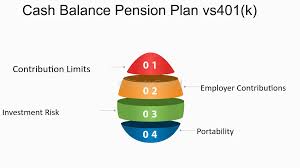
The most significant difference between a cash balance pension and a 401(k) is that the employer bears the investment risk in a CBP. The employer is responsible for ensuring the employee receives the amount promised, so no matter what happens, it must ensure the employee gets that amount. With a 401(k), the employee bears the investment risk because they choose how the plan invests. The employer has no investment risk. Additionally, the retirement benefit amount depends on the account’s balance; it isn’t guaranteed, as with a cash balance pension.
Pros and Cons of a Cash Balance Pension Plan
While this type of plan has several benefits, there are some disadvantages to consider.
Pros:
Lump sum payouts
Rollover options
Tax-deferred
Custom contribution limit
Cons:
Taxable distributions
High cost to maintain
No employee contributions
Pros Explained
Lump Sum Payouts: A cash balance pension payout can be a lump sum. This can benefit someone who wants to place the capital in a traditional preservation instrument like government bonds or money market funds.
Rollover Options: You can roll a lump sum payout into an IRA or another pension plan.
Tax-Deferred: Contributions are tax-deferred. This means you don’t pay taxes on the funds until you withdraw or take a lump sum payment. If you’re in a higher tax bracket when you’re contributing than when you make withdrawals, you pay less in income tax.
Custom Contribution Limit: The annual limit for a cash balance pension depends on how much you make, how old you are, and the target date and balance of the fund to IRAs and 401(k)s have annual limits set by the IRS.
Cons Explained
Taxable Distributions: While tax deferral is an advantage, you must pay taxes when withdrawing funds. High Maintenance Costs: These plans are costly to maintain, as they require an actuary to ensure compliance with balance rules—resulting in higher expenses for employers. No Employee Contributions: Only the employer makes contributions; employees cannot contribute a portion of their own salary.
Special Considerations
When combined with a 401(k) plan, employer contributions to a cash balance plan for regular employees typically total around 6.9% of compensation, compared to the standard 4.6% contributions in standalone 401(k) plans. Participants receive an annual interest credit, which may be fixed (e.g., 5%) or variable (e.g., based on the 30-year Treasury rate). Upon retirement, participants can choose to receive their account balance as an annuity or as a lump sum rolled into an IRA or employer plan.
Is a Cash Balance Pension Plan Better Than a 401(k)?
Both can be excellent retirement plans. Which one is better depends on your preferences, goals, how long you might be with an employer and current income.
What Can I Do With a Cash Balance Plan?
You can choose to make withdrawals or a lump sum payout. If you choose a lump sum, you can roll it into an IRA or other retirement plan.
What Happens to My Cash Balance Pension If I Quit?
Your cash balance pension is portable, so you can take the vested portion with you when you part ways with the company and roll it into another retirement account.




 Phone: 361-271-1211
 Email:service@admin316.com
 Address: 636 W Jefferson St. Suite 5, Morton, IL 61550
 Hours: Monday – Friday, 8:00 AM –5:00 PM CST